
Introduction
As pet parents, we strive to make our homes a sanctuary for our furry family members. However, many everyday items found in our kitchens, gardens, and medicine cabinets can be surprisingly dangerous. At Siena Animal Hospital, we believe education is the first step in emergency prevention.
In this guide, we’ll break down the most common household toxins and what you should do if you suspect your pet has ingested something harmful.
1. Chocolate and Caffeine
While a treat for us, chocolate contains theobromine and caffeine, both of which are stimulants that pets cannot metabolize effectively.
The Danger: Can lead to heart palpitations, tremors, and seizures.
Pro Tip: The darker the chocolate, the more dangerous it is.
2. Xylitol (Birch Sugar)
This sugar substitute is increasingly common in sugar-free gum, peanut butter, and even some toothpastes.
The Danger: It causes a rapid drop in blood sugar and can lead to liver failure in dogs.
3. Grapes and Raisins
The exact toxin in grapes is still being studied, but the results are clear.
The Danger: Even a small amount can cause acute kidney failure in some dogs.
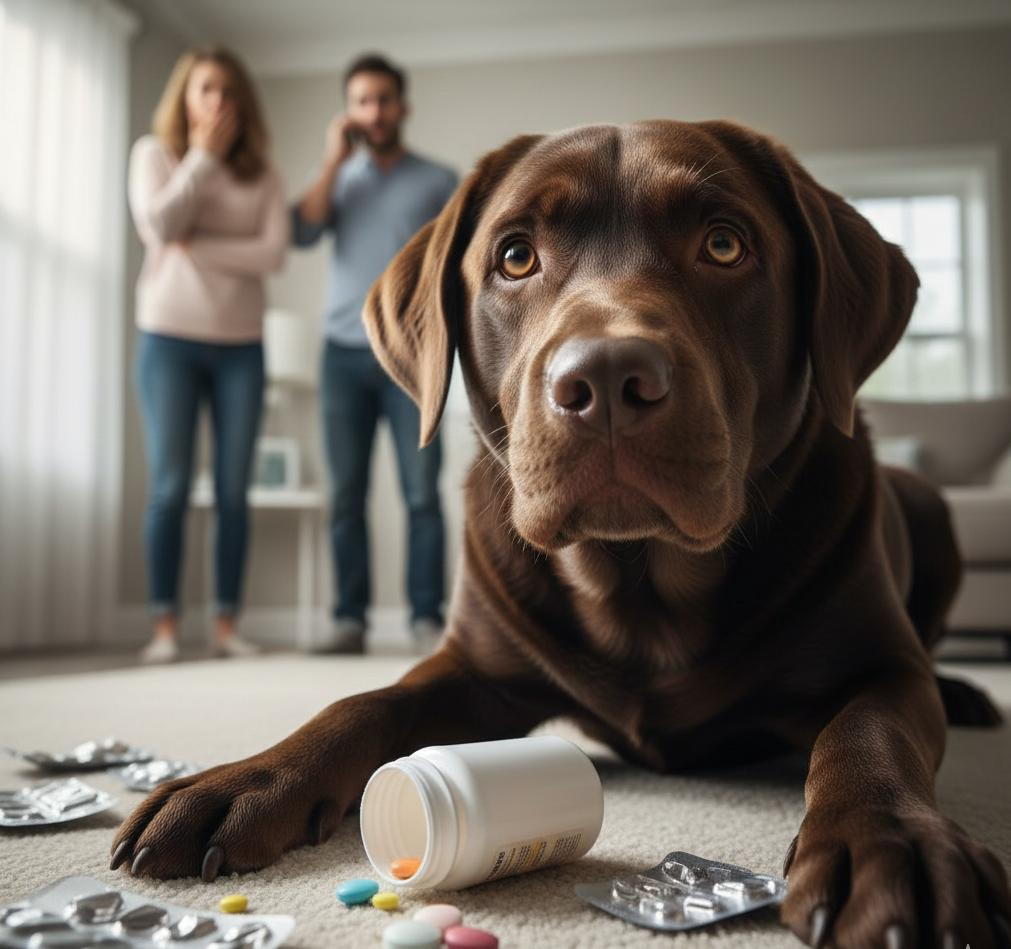
4. Human Medications
Never give your pet over-the-counter meds like Ibuprofen or Tylenol unless specifically directed by a veterinarian.
The Danger: These can cause severe stomach ulcers and kidney damage.
5. Essential Oils and Diffusers
Many popular oils like tea tree, peppermint, and eucalyptus can be toxic, especially to cats who lack certain liver enzymes to process them.
What to Do in an Emergency
If you suspect your pet has eaten something toxic, seconds matter. 1. Identify the substance: If possible, keep the packaging or a sample. 2. Observe symptoms: Note any vomiting, lethargy, or unusual behavior. 3. Call us immediately: Contact Siena Animal Hospital or the nearest emergency vet.
Note: Do not induce vomiting at home unless explicitly instructed to do so by a veterinary professional, as some toxins can cause more damage if brought back up.
Conclusion
Keeping your home pet-safe is a continuous process of awareness. By storing these items securely, you can prevent most accidental poisonings. If you have questions about a specific product in your home, don't hesitate to reach out to our team!